
Growing Veggies in Southern Tasmania
Growing your own veggies in Southern Tasmania is incredibly rewarding, but our cool and changeable climate can keep you guessing. A little patience, good soil and paying attention to the conditions in your own backyard will go a long way.
Here are a few simple tips from Valley Fresh to help you get growing.
Start with healthy soil
Healthy plants start with healthy soil.
Before planting, add plenty of good-quality compost or well-rotted organic matter to your garden beds. Most veggies prefer soil that holds moisture but still drains freely.
Keep adding compost and organic matter over time. Feed the soil and the soil will help feed your plants.
Don't rush spring
A beautiful sunny day in September doesn't necessarily mean winter is over!
Southern Tasmania's spring weather can change quickly and frost is still possible well into the season, particularly in colder and inland areas.
Cool-season veggies will happily get going earlier, but it's worth being patient with warmth-loving plants such as tomatoes, zucchini, cucumbers, pumpkin, capsicum and basil.
Find the sun
Most vegetables love sunshine, so give them the sunniest spot you can.
Don't have a big veggie patch? That's fine. Plenty of vegetables and herbs grow beautifully in raised beds and pots.
Help your seedlings settle in
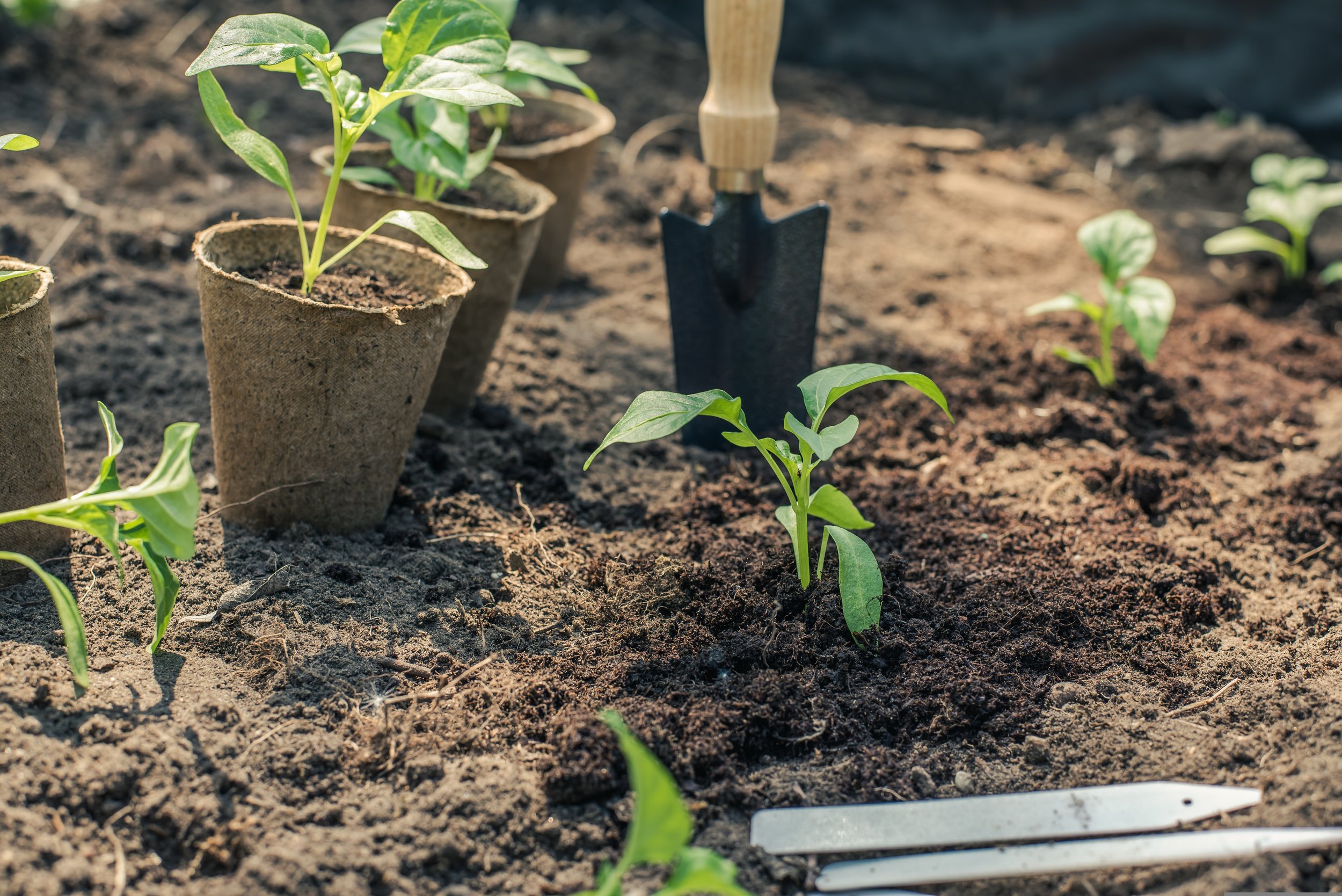
Give your seedlings a good drink before planting and plant them into moist, prepared soil.
If they've been somewhere protected, gradually introduce them to the conditions in your garden before planting them out permanently. A few days of increasing exposure to sun, wind and cooler temperatures helps them adjust – a process known as hardening off.
Once they're planted, water them in well.
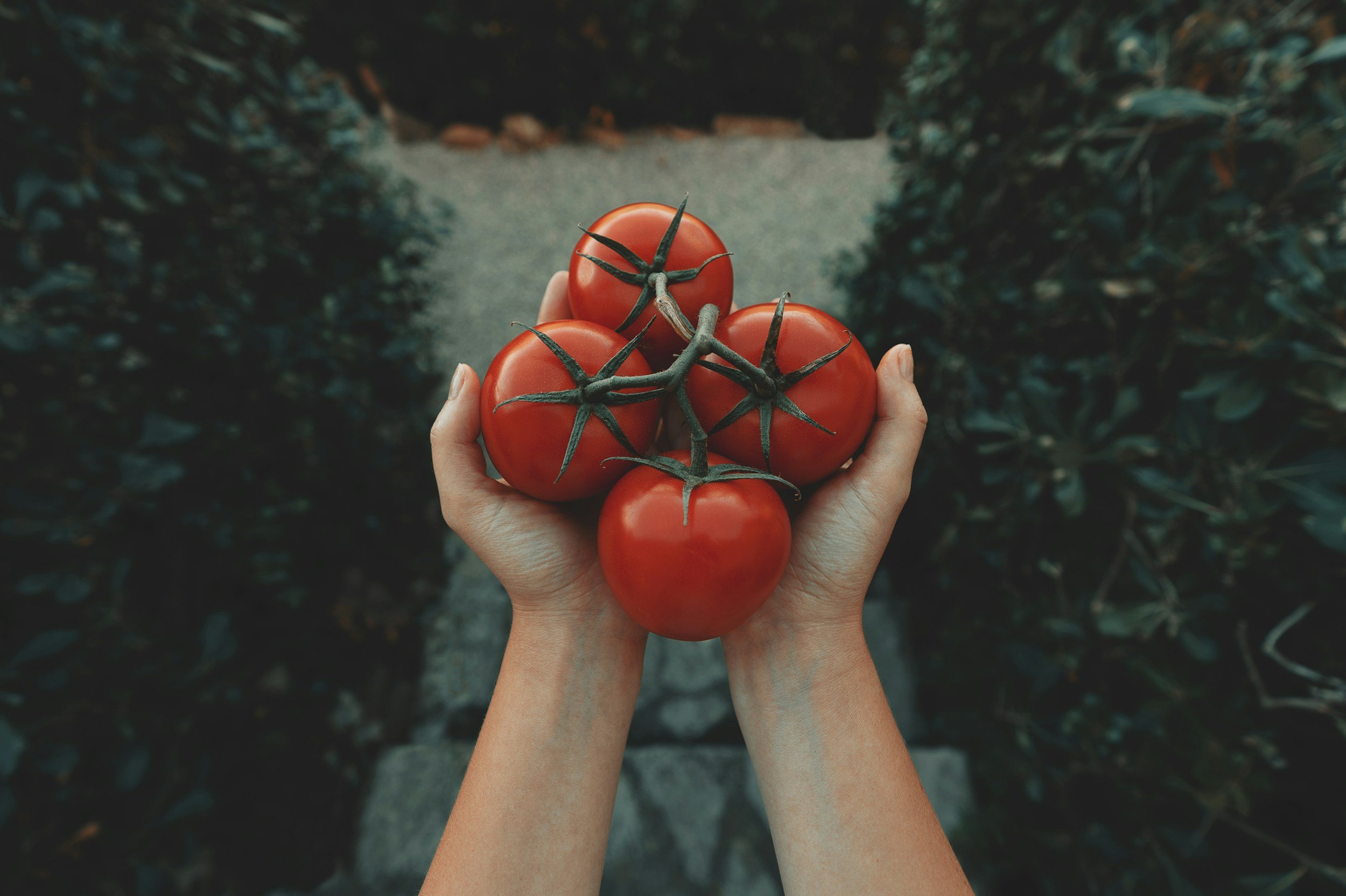
There's no prize for being the first person in the neighbourhood to plant your tomatoes.
Give them room to grow
Tiny seedlings can become surprisingly big plants.
Give each plant enough room for its roots and leaves to develop. Good spacing also improves airflow and can help reduce disease.
This is especially important for enthusiastic growers such as tomatoes, zucchini, cucumbers and pumpkins!
Add some mulch
Once the soil has warmed, a layer of organic mulch can help hold moisture, suppress weeds and protect your soil.
Straw, pea straw and other organic mulches work well. Leave a little space immediately around young plant stems rather than piling mulch against them.
Water the soil, not just the surface
New seedlings need consistent moisture while they establish.
As their roots develop, water deeply rather than giving them frequent little splashes. Check the soil with your finger – the surface can look dry while there's still plenty of moisture underneath.
Early morning is a great time to water, particularly during warmer weather.
Keep an eye on the forecast
Gardening in southern Tasmania means getting to know your weather.
If a particularly cold or frosty night is forecast, young plants may appreciate some temporary protection. Your own backyard also has its own microclimate – sheltered areas, frost pockets, warm walls and sunny corners can all behave quite differently.
You'll gradually learn which parts of your garden warm up first and which stay cold or wet for longer.

Plant something, look after it and see what happens.
A special word about tomatoes
Patience pays off with tomatoes in southern Tasmania.
They love warmth and won't thank you for putting them into cold soil just because we've had a couple of sunny spring days.
Choose a warm, sunny and preferably sheltered position. Once conditions have properly warmed and the risk of frost has passed, plant them out and provide stakes, cages or another form of support as they grow.
Then cross your fingers for a beautiful Tassie summer.
Learn from your own garden
Planting times are always a guide.
Conditions vary enormously across southern Tasmania – and even between two gardens in the same suburb. Elevation, proximity to the coast, wind, frost and the amount of sun your garden receives can all affect when plants are ready to go into the ground.
Pay attention to what works in your patch. Before long you'll know where the frost settles, which beds warm first in spring and when your garden is ready for tomatoes.
Most importantly, don't worry about getting everything perfect.